
backlit mirror round
The Importance of Metal Ground Anchors in Modern Construction Metal ground anchors, also known as earth anchors or ground screws, have become an essential component in modern construction and landscaping projects. These anchors provide stability and support for various structures, from bridges and buildings to playgrounds and fencing. Their significance can be attributed to their versatility, ease of installation, and durability. One of the primary benefits of metal ground anchors is their ability to provide a firm hold in various soil conditions. Unlike traditional concrete footings, which require digging and pouring, metal anchors can be easily driven into the ground using specialized equipment. This method significantly reduces labor costs and project timelines, making it an attractive option for both small-scale and large-scale projects. Additionally, the installation of metal anchors often requires less space, allowing for greater flexibility in site design and layout. Metal ground anchors come in various designs, each tailored to specific applications and soil types. For instance, helical anchors feature spiral blades and are particularly effective in loose or sandy soils. These anchors can be rotated into the ground, providing a strong pull-out resistance. On the other hand, driven anchors are pounded into the soil, making them suitable for compact and rocky terrains. This diversity in design ensures that engineers can select the most appropriate anchor type based on the specific requirements of their projects. metal ground anchors The durability of metal ground anchors is another reason for their rising popularity . Constructed from high-strength steel, these anchors resist corrosion, ensuring long-term performance even in harsh environmental conditions. When properly galvanized or coated, metal anchors can withstand moisture, chemicals, and extreme temperatures, making them suitable for a wide range of applications—from marine construction to agriculture. In addition to their practical benefits, metal ground anchors also provide environmental advantages. Their installation typically has a minimal impact on the surrounding landscape as they require less excavation and soil disruption compared to traditional foundations. This characteristic is particularly important in preserving natural habitats and ecosystems, especially when constructing in sensitive or protected areas. Furthermore, using metal anchors can help to minimize the carbon footprint of construction projects by reducing the amount of concrete needed, which is a significant contributor to greenhouse gas emissions. Safety is another critical consideration in construction, and metal ground anchors play a vital role in ensuring structural integrity. They provide essential support and stabilization for various applications, such as retaining walls, temporary structures, and even solar panel installations. By securing these structures to the ground, metal anchors help prevent failures that could pose safety hazards to workers and the public. In conclusion, metal ground anchors are an invaluable resource in modern construction and landscaping. Their versatility, ease of installation, durability, and environmental benefits make them an excellent choice for a wide range of applications. As construction techniques continue to evolve, the role of metal ground anchors will likely expand, further solidifying their importance in ensuring safe and sustainable building practices. As stakeholders in the construction industry become more aware of their advantages, the adoption of metal ground anchors will undoubtedly grow, paving the way for innovative and resilient construction solutions.
about
backlit mirror round
Understanding No Go Pin Gauges An Essential Tool for Quality Control In the realm of manufacturing and quality control, precision is paramount. One of the essential tools used in ensuring that parts meet strict tolerances is the no go pin gauge. This simple yet effective instrument plays a crucial role in verifying the dimensions of various components, ensuring that they meet specifications and can function properly in their intended applications. In this article, we will delve into the purpose, design, and application of no go pin gauges, highlighting their significance in the manufacturing process. What is a No Go Pin Gauge? A no go pin gauge is a type of measuring tool used in the inspection of holes and slots in components. It typically comes in two variants the go gauge and the no go gauge. The go gauge is used to determine if an object fits within the desired size range, whereas the no go gauge is designed to check for maximum allowable limits. If the no go gauge fits into the hole or slot being measured, it indicates that the part does not meet the required specifications and is deemed unacceptable. Design and Materials No go pin gauges are usually made from high-quality materials such as hardened steel or carbide to ensure durability and precision. Their design is straightforward; they often resemble a pin or cylindrical shape that is available in various diameters. The no go gauge is calibrated to match the specified tolerances, with precise dimensions that allow for accurate assessments during inspections. The ends of the pin gauge are usually marked with the gauge size, and some may feature additional markings to facilitate understanding of the measurement system being used. For industries that demand high precision, such as aerospace and automotive, the construction and calibration of no go pin gauges are subject to strict standards to ensure accuracy over time. Applications of No Go Pin Gauges No go pin gauges find applications across various industries, particularly in quality control processes where adherence to specifications is critical. They are commonly used in no go pin gauge 1. Manufacturing During the production of parts, no go gauges help in verifying that holes and slots are not oversized or out of tolerance. This is crucial to ensuring that components fit together correctly in assemblies. 2. Maintenance and Repair In the maintenance of machinery, technicians may use no go pin gauges to assess wear in components. If a part shows signs of being out of tolerance, it may need to be replaced or repaired to maintain optimal function. 3. Tool Making Toolmakers employ no go gauges to ensure that they create tools that meet specified tolerances. This is vital for the production of tools that will be used for critical applications, where deviations can lead to failures or inefficiencies. 4. Quality Assurance In quality assurance programs, no go pin gauges are an integral part of the inspection process. They help to confirm that manufactured parts or assemblies meet the rigorous standards required by regulatory bodies and industry norms. Benefits of Using No Go Pin Gauges The primary benefit of using no go pin gauges is enhanced quality control. By providing a straightforward method to evaluate whether parts are within permissible limits, manufacturers can reduce the risk of defective products entering the market. This, in turn, leads to increased customer satisfaction and decreased costs associated with returns and repairs. Additionally, no go pin gauges are easy to use and do not require complex calibration procedures, making them an accessible tool for operators on the shop floor. Their durability ensures that they can be used repeatedly without significant wear, maintaining accuracy over long periods. Conclusion No go pin gauges are indispensable tools in the world of manufacturing and quality assurance. Their ability to provide a clear, objective measurement ensures that components meet essential specifications, leading to better overall product quality. As industries continue to advance and the demand for precision increases, the role of no go pin gauges will remain vital in maintaining high standards of workmanship and reliability. Whether in a large-scale manufacturing operation or a small repair shop, understanding and utilizing no go pin gauges can significantly contribute to the overall success of production processes.
-

High quality industrial productsagement

High quality industrial products
View Details -

Meet the diverse needs of customers

Meet the diverse needs of customers
View Details -

Strict quality control

Strict quality control
View Details -

Top raw materials

Top raw materials
View Details -

Trusted supplier

Trusted supplier
View Details
Our application

news and information
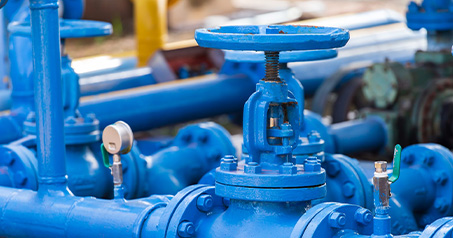
Valve's Influence in the Chinese Market and Its Future Prospects
The Influence of Valve China on the Global Valve Industry In recent years, China has emerged as a ce

Y Type Strainer Applications in Industrial Water Filtration
Industrial water filtration is a critical process for maintaining operational efficiency, equipment

Varieties of ball valves and their unique characteristics in valve industry trends
Ball valves are an essential component in various industries, including oil and gas, water treatment
 English